.png)
Climate Control Innovations South Africa for Optimal Greenhouse Farming
- Sanvir Maharaj
- Mar 10
- 4 min read

Greenhouse farming in South Africa faces unique challenges due to the country’s variable climate. Managing temperature, humidity, and ventilation inside greenhouses is critical to protect crops from extreme weather and ensure consistent, high-quality yields. Advances in climate control technology now offer practical solutions tailored to South African growers, helping them maintain optimal growing conditions year-round. This article explores why climate control matters, the impact of South Africa’s climate on crops, and the modern systems that improve greenhouse performance sustainably.
Why Climate Control Is Essential in Greenhouse Farming
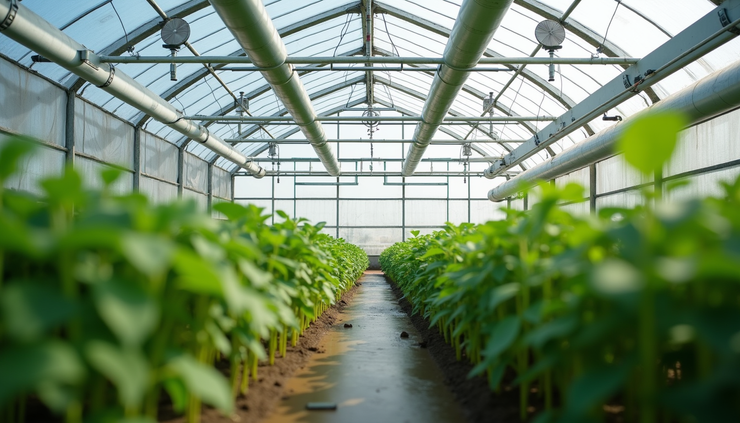
Greenhouses create a controlled environment that protects plants from pests, diseases, and harsh weather. However, without proper climate control, internal conditions can quickly become unsuitable for crop growth. Excessive heat, humidity, or poor air circulation can stress plants, reduce photosynthesis, and increase vulnerability to fungal diseases.
In South Africa, where temperatures can fluctuate widely between day and night and across seasons, maintaining stable conditions inside greenhouses is vital. Climate control systems help regulate:
Temperature to prevent heat stress or chilling damage
Humidity to reduce disease risk and support plant transpiration
Airflow to supply fresh CO2 and prevent stagnant air pockets
By controlling these factors, farmers can extend growing seasons, improve crop uniformity, and reduce losses caused by weather extremes.
The Impact of South Africa’s Variable Climate on Crop Production
South Africa’s climate ranges from Mediterranean in the southwest to subtropical in the northeast, with semi-arid regions in between. This variability means growers face challenges such as:
High daytime temperatures that can exceed 35°C in summer
Cold nights dropping below 5°C in winter, risking frost damage
Sudden storms and strong winds that can disrupt greenhouse structures
Variable humidity levels affecting plant health and disease pressure
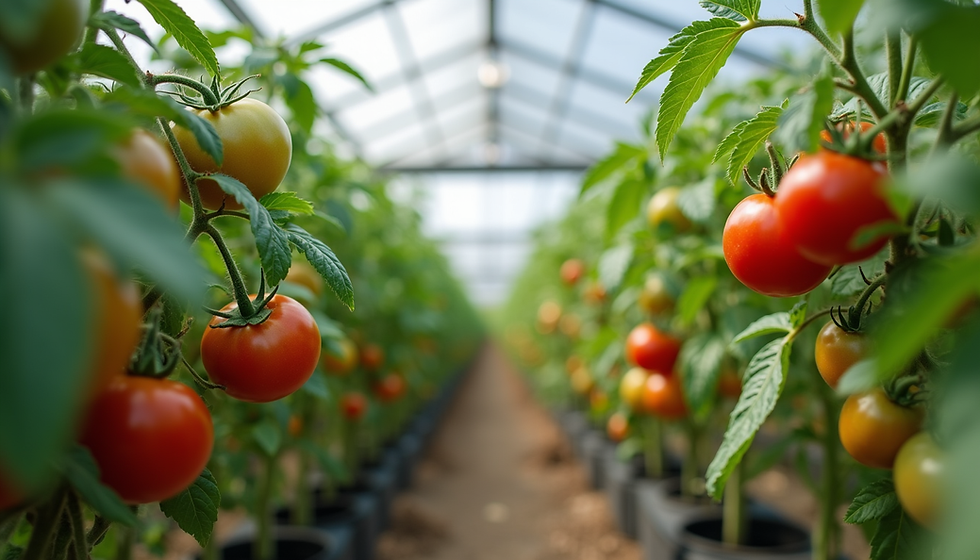
For example, tomato growers in Limpopo often struggle with heat spikes that cause flower drop and fruit cracking. Meanwhile, in the Western Cape, winter cold can slow growth and delay harvests. Without climate control, these conditions limit crop choices and reduce yield reliability.
Modern Temperature, Humidity, and Ventilation Management Systems
Advances in greenhouse technology now allow precise control over internal conditions. Key systems include:
Evaporative cooling pads that lower temperature by passing air through wet pads, ideal for dry, hot regions
Heating systems such as gas or electric heaters to maintain minimum temperatures during cold nights
Automated vents and fans that adjust airflow based on real-time conditions
Misting and fogging systems to increase humidity when needed
For example, a vegetable grower near Johannesburg installed automated vents linked to temperature sensors. When internal temperatures rise above 28°C, vents open and fans activate to cool the greenhouse, preventing heat stress. During cold snaps, heaters maintain a steady 15°C to protect seedlings.
The Role of Automated Sensors and Smart Greenhouse Technology
Smart greenhouse technology integrates sensors, controllers, and software to monitor and adjust climate parameters continuously. Sensors measure temperature, humidity, CO2 levels, and light intensity. Data feeds into control systems that operate fans, heaters, vents, and irrigation automatically.
This automation reduces labor and human error, allowing growers to focus on crop management. It also enables remote monitoring via smartphones or computers, providing alerts if conditions deviate from set ranges.
In South Africa, smart systems help manage the unpredictable climate by responding instantly to changes. For instance, a strawberry farm in the Western Cape uses humidity sensors linked to misting systems to prevent powdery mildew outbreaks during humid mornings.
Energy-Efficient Cooling and Heating Systems
Energy costs and sustainability are major concerns for South African farmers. Modern climate control solutions emphasize energy efficiency to reduce operational expenses and environmental impact.
Examples include:
Solar-powered ventilation fans that run during daylight hours
Heat exchangers that recover warmth from exhaust air to preheat incoming air
Thermal screens that insulate greenhouses at night, reducing heating needs
LED lighting with low heat output to supplement natural light without raising temperatures
A citrus nursery in Mpumalanga installed solar-powered fans combined with thermal screens. This setup cut electricity use by 40% while maintaining stable temperatures, demonstrating how energy-efficient climate control supports sustainable farming.
How Climate Control Improves Yield Consistency and Crop Quality
Consistent climate conditions inside greenhouses lead to uniform crop development and higher quality produce. Stable temperatures prevent stress-related issues like blossom drop or fruit deformities. Controlled humidity reduces fungal diseases, lowering the need for chemical treatments.
For example, a rose grower in KwaZulu-Natal reported a 20% increase in flower size and a longer vase life after upgrading to automated climate control systems. The ability to maintain ideal conditions also allows growers to plan harvests more accurately, improving market timing and profitability.
Climate Control Innovations South Africa Growers Can Trust
South African growers benefit from climate control innovations designed for local conditions. These include:
Modular climate control units that can be scaled to different greenhouse sizes
Integrated sensor networks tailored to specific crops and regions
Hybrid systems combining natural ventilation with mechanical cooling for energy savings
Data-driven decision support tools that analyze climate trends and suggest adjustments
SYA Agri Distributors offers a range of these solutions, backed by expert advice and installation support. Their focus on sustainability and practical technology helps farmers build resilient operations that thrive despite climate challenges.
Partnering with SYA Agri Distributors for Greenhouse Climate Management
Choosing the right climate control system is critical for greenhouse success. SYA Agri Distributors works closely with growers to assess site conditions, crop needs, and budget constraints. Their team recommends tailored solutions that balance performance, energy use, and ease of operation.
With SYA Agri’s support, South African farmers gain access to:
Proven greenhouse designs optimized for climate control
Advanced sensor and automation technology
Energy-efficient heating and cooling equipment
Ongoing technical support and training
This partnership helps growers improve yields, reduce risks, and adopt sustainable practices that protect their investment and the environment.

Comments